Chain of Custody in ITAD: Why Tracking and Documentation Matter
Learn what chain of custody means in IT Asset Disposition (ITAD), why it is critical for data security and compliance, and what organizations should expect from a qualified ITAD provider.
When organizations retire IT assets such as laptops, servers, and storage devices, the focus is often placed on data destruction and recycling. However, one critical element of IT Asset Disposition (ITAD) that is sometimes overlooked is chain of custody.
A documented and transparent chain of custody plays a key role in protecting sensitive data, supporting compliance requirements, and reducing organizational risk.
What Is Chain of Custody in IT Asset Disposition (ITAD)?
In ITAD, chain of custody refers to the documented tracking of IT assets from the moment they leave an organization's control through final disposition. This includes every transfer, handling step, and processing stage along the way.
A Proper Chain of Custody Typically Records:
When assets are collected
Who has possession of the assets at each stage
Where assets are stored or processed
What actions are performed (data sanitization, destruction, recycling)
When final disposition occurs
This documentation helps organizations maintain visibility and accountability throughout the ITAD process.
Why Chain of Custody Matters for Data Security
Retired IT assets often still contain sensitive data. Without clear tracking and accountability, the risk of data exposure increases significantly.
A Strong Chain of Custody Helps Ensure That:
For organizations handling regulated or confidential information, chain of custody is a foundational security control.
Chain of Custody and Regulatory Compliance
Many industries operate under regulations that require secure handling of sensitive data, including healthcare, financial services, government, and enterprise environments.
Chain of Custody Documentation Supports Compliance By:
Relevant Standards & Frameworks:
Standards and frameworks commonly associated with ITAD, such as R2 certification and ISO-based management systems, emphasize documentation, traceability, and controlled processes.
Key Elements of an Effective ITAD Chain of Custody
An effective chain of custody process typically includes:
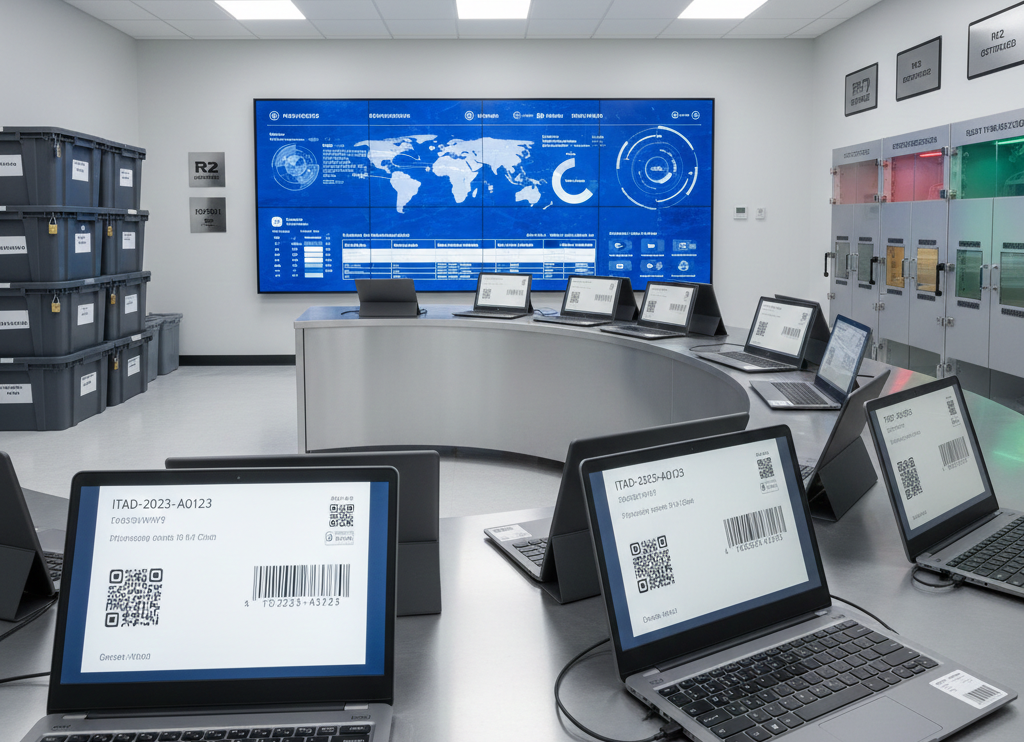
Asset Identification
Serial numbers, asset tags, or unique identifiers
Secure Transportation
Controlled logistics and documented transfers
Controlled Processing Environments
Restricted access and monitored facilities
Action Logging
Records of data sanitization, destruction, or recovery activities
Final Disposition Records
Confirmation of recycling, resale, or destruction
These elements work together to create a clear and defensible record of asset handling.
The Role of Reporting and Documentation
Chain of custody is closely tied to reporting. Documentation may include:
Accurate reporting allows organizations to verify that assets were handled according to policy and regulatory requirements.
Common Chain of Custody Gaps to Avoid
Organizations may encounter risks when:
These gaps can undermine data security efforts and make audits more difficult.
How Chain of Custody Fits Into a Complete ITAD Strategy
Chain of custody is not a standalone process it is part of a comprehensive ITAD program that includes secure data destruction, asset recovery, and responsible recycling.
When Integrated Properly, Chain of Custody:
Frequently Asked Questions
Final Thoughts
Chain of custody is a critical component of responsible IT Asset Disposition. By maintaining clear tracking, documentation, and accountability, organizations can reduce risk and demonstrate compliance throughout the ITAD lifecycle.
Understanding how chain of custody works and why it matters helps organizations make more informed decisions when selecting and working with ITAD providers.