IT Asset Disposition in Fresno, CA: Secure and Compliant ITAD for Local Businesses
From healthcare providers and financial institutions to agriculture, education, and growing tech companies, Fresno organizations face real obligations around how retired IT equipment is handled. Here's what proper ITAD looks like in the Central Valley.
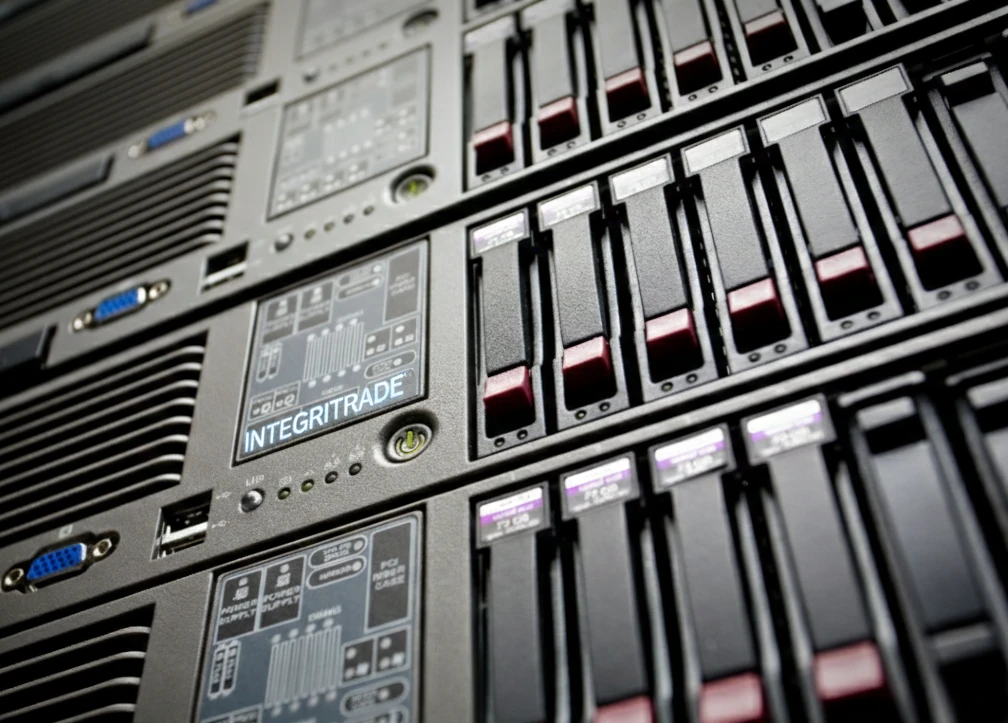
Businesses across Fresno continue to refresh servers, laptops, networking equipment, and data center infrastructure on shorter cycles than ever. Retiring that technology safely, securely, and in a way that holds up to compliance review has become a real operational concern, not a back-office afterthought.
IT Asset Disposition (ITAD) is the framework that handles it. For organizations across Fresno and the Central Valley, understanding how structured ITAD works helps reduce risk, recover value from retired hardware, and support environmental commitments at the same time.
Why ITAD Matters for Fresno Businesses
Fresno's business landscape spans healthcare providers, financial institutions, agricultural operations, educational institutions, and a growing tech sector. Most of these organizations manage sensitive data daily and operate under strict data security and compliance requirements.
When retired IT equipment isn't handled properly, the consequences fall into four interconnected categories: data security risks from unsanitized devices leaving organizational control, regulatory exposure under HIPAA, GLBA, FERPA, and California state privacy laws, lost recoverable asset value when equipment with residual market demand gets treated as scrap, and environmental compliance issues stemming from improper electronic waste handling. A structured ITAD process closes all four risks at once with documented, auditable controls.
What a Complete ITAD Program Includes
A defensible ITAD program brings together several disciplines that work in sequence rather than in isolation. Each stage produces documentation that ties the entire workflow together.
Secure data destruction
Certified data sanitization following recognized standards such as NIST 800-88, with physical destruction performed when the situation requires it.
Asset tracking and chain of custody
Per-device serial-number tracking from pickup through final disposition, with documented transfers at every handoff.
Evaluation for refurbishment and recovery
Each asset is assessed for resale, redeployment, or refurbishment before recycling becomes the answer recovering meaningful value rather than scrapping by default.
Responsible end-of-life recycling
For equipment that genuinely reaches end-of-life, certified recycling under R2v3 standards ensures materials are recovered responsibly and kept out of landfills.
Compliance Requirements by Industry
Different sectors across Fresno operate under different regulatory frameworks. Each one shapes how IT assets must be handled at retirement.
Secure Data Destruction and Compliance
Data-bearing devices such as hard drives and SSDs require proper sanitization before they can be reused or recycled. Many Fresno organizations operate under data protection requirements healthcare regulations, financial oversight, education frameworks, or internal security policies that demand specific, documented destruction methods.
Logical data sanitization
Software-based erasure aligned with NIST 800-88 and DoD 5220.22-M standards ensures all data is irreversibly removed before devices move to reuse or recycling streams.
Physical destruction when required
For high-sensitivity environments or damaged drives that can't be sanitized through software, physical destruction provides irreversible elimination with documented evidence.
Certificates of erasure and destruction
Per-device documentation confirming the standard applied and the outcome verified, suitable for audit and regulatory review.
Documented audit trails
Full chain-of-custody records that support both internal compliance reviews and external audits without requiring reconstruction after the fact.
Asset Recovery and Value Maximization
Not every retired device belongs in a recycling stream. Many still hold meaningful market value depending on age, configuration, and current demand value that disappears the moment equipment gets defaulted to scrap.
A recovery-focused ITAD strategy lets Fresno businesses reduce overall disposition costs by recovering returns from resold equipment, capture residual value from devices that still have working life ahead, minimize unnecessary recycling so functional hardware stays in productive use longer, and improve sustainability outcomes through verified reuse and refurbishment. Evaluating recovery potential before recycling is what turns retired IT from a recurring cost into a contributor to the IT budget.
Environmental Responsibility in the Central Valley
Responsible electronic recycling is a core part of any structured ITAD program. Extending the life of IT equipment through refurbishment and reuse reduces the volume of e-waste entering the disposal stream and lowers the carbon footprint associated with manufacturing replacement hardware.
When assets do reach genuine end-of-life, certified recycling under R2v3 standards ensures materials are recovered responsibly, hazardous components are handled correctly, and nothing ends up in landfills that shouldn't. For Central Valley organizations facing California's strict e-waste regulations, this is the difference between defensible disposition and exposure during environmental compliance reviews.
Choosing the Right ITAD Approach in Fresno
Selecting an ITAD partner isn't just a vendor decision it's an operational choice that affects security, compliance, and recovered value across every refresh cycle. Five practical factors separate the providers worth evaluating from the rest.
Documentation and chain-of-custody controls
Continuous tracking from pickup through final disposition with serial-level records is what makes the rest of the program defensible.
Data security procedures
Certified sanitization methods, verified destruction workflows, and per-device certificates that hold up to audit scrutiny are non-negotiable for data-bearing equipment.
Compliance certifications
R2v3, ISO 27001, and ISO 14001 certifications demonstrate that the provider operates under recognized standards rather than informal practices.
Asset recovery capabilities
A recovery-first evaluation process is what determines whether retired equipment generates returns or simply incurs disposal costs.
Transparent reporting
Clear breakdowns of what was resold, refurbished, or recycled along with recovered values give you the visibility needed for finance, IT, and compliance teams.
Documentation Your ITAD Provider Should Deliver
At project completion, expect documentation that covers every part of the workflow without follow-up requests: asset inventories with valuation reports identifying every device received and its assessed market value, certificates of erasure or destruction confirming the sanitization standard applied per device, data sanitization reports documenting methods, timestamps, and serial-level traceability, and processing and disposition summaries detailing what was resold, refurbished, or recycled along with recovered value and environmental outcomes.
This documentation is what turns an ITAD engagement into something your audit, finance, and compliance teams can actually use during regulatory reviews and ESG reporting.
Frequently Asked Questions
IT Asset Disposition is the structured process of retiring, sanitizing, recovering value from, and responsibly disposing of IT equipment. For Fresno businesses across healthcare, financial services, education, and technology, ITAD ensures sensitive data is protected and compliance requirements are consistently met.
Healthcare, financial services, agriculture, education, and technology companies all manage sensitive data and face regulatory requirements that make structured ITAD essential rather than optional.
Certified ITAD providers use recognized sanitization standards, perform physical destruction where required, and provide Certificates of Erasure or Destruction with documented audit trails covering the full requirements of HIPAA, GLBA, FERPA, and other applicable frameworks.
Yes. Many retired devices retain meaningful residual value depending on age and condition. A recovery-focused ITAD strategy evaluates each asset before recycling, helping reduce overall disposition costs and capture returns that would otherwise be lost.
Responsible ITAD extends equipment life through refurbishment and reuse, lowering e-waste volume. When assets reach end-of-life, R2v3-certified recycling ensures materials are diverted from landfills and handled in line with California’s e-waste regulations.
Final Thoughts
For businesses across Fresno, IT Asset Disposition has moved from a back-office logistics task into a meaningful part of how organizations protect sensitive information, recover value from retired equipment, and meet California's data protection and environmental requirements.
Following structured ITAD processes that prioritize security, compliance, and recovery is what allows Central Valley organizations to manage the full IT lifecycle with confidence and turn what used to be a quiet liability into a controlled, documented, and increasingly valuable part of every refresh cycle.