How to Sell Used Servers & Manage Server Recycling: The ITAMG Process for Maximum Value & Security
Learn how to sell used servers, maximize resale value, ensure data security, and manage server recycling using a secure ITAMG process.
How to Sell Used Servers & Manage Server Recycling: The ITAMG Process for Maximum Value & Security
As organizations modernize infrastructure and refresh data centers, a critical question often arises: What is the best way to sell used servers while maintaining data security and compliance?
Servers are high-value IT assets. Even after years of use, enterprise hardware can retain significant residual value if handled correctly. However, improper resale or recycling exposes organizations to data breaches, compliance violations, and financial loss.
This is where a structured ITAMG process combining IT asset management (ITAM) and IT asset disposition (ITAD) plays a vital role. When done correctly, it allows organizations to recover maximum value from used servers while ensuring security, compliance, and sustainability.
Understanding the Value of Used Servers in Modern IT Environments
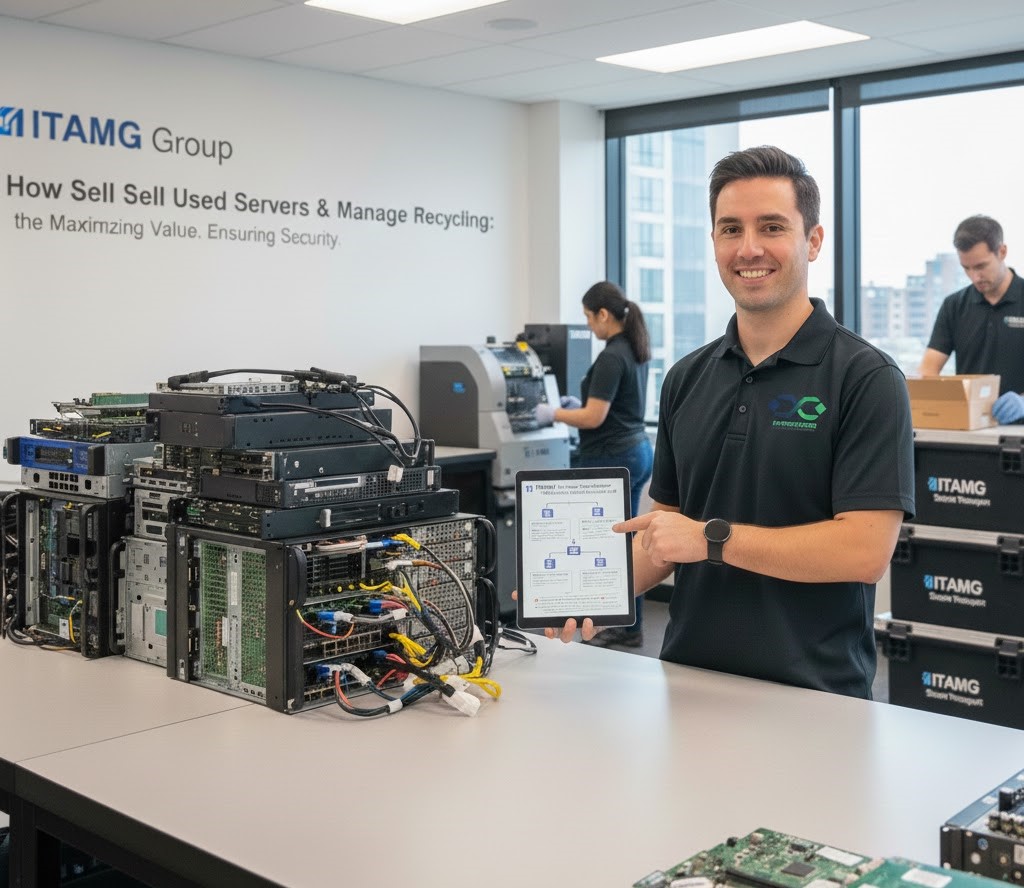
Enterprise servers depreciate on paper, but in real markets, they often retain value far beyond their initial lifecycle. Global demand for refurbished and enterprise-grade hardware continues to grow, especially among secondary markets, cloud providers, and smaller data centers.
Why Enterprises Sell Used Servers Instead of Scrapping Them
Organizations choose to sell used servers because:
Common Types of Servers That Can Be Resold
Most resale programs include:
Server Types with Resale Potential
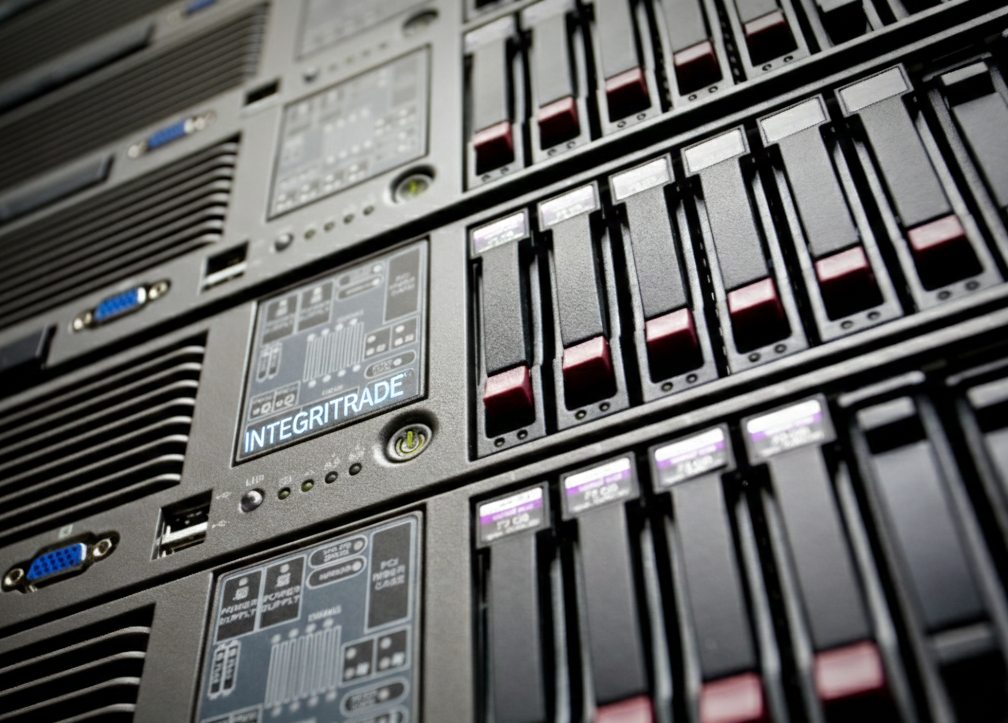
Rack servers
Standard enterprise servers designed for data center racks
Blade servers
High-density modular servers for efficient data centers
Tower servers
Standalone servers for smaller office environments
High-density enterprise systems
Modular and specialized enterprise server solutions
Resale potential depends on configuration, age, performance capability, and market demand.
What Is the ITAMG Process?
Integrated IT Asset Management and Disposition
The ITAMG process is a structured, end-to-end approach to managing IT assets from deployment through resale or recycling. It integrates:
Rather than treating server resale as a one-off event, ITAMG ensures consistency, security, and value optimization.
ITAM vs ITAD: Where Server Resale Fits
Understanding the intersection of ITAM and ITAD:
A defined process reduces security risks, ensures audit readiness, maximizes resale value, and creates accountability.
Step 1: Server Assessment and Asset Inventory
The ITAMG process begins with a detailed server assessment.
Identifying Resale-Eligible Servers
Servers suitable for resale typically meet performance thresholds, have remaining market demand, can be securely sanitized, and are cost-effective to refurbish. Not all servers should be resold selection is critical.
Documenting Server Specifications and History
Accurate documentation increases value and reduces risk. This includes model and configuration details, age and usage history, maintenance and upgrade records, and asset ownership and location information.
Strong inventory data supports both pricing and compliance decisions.
Step 2: Secure Data Sanitization and Compliance
Data Security Is Critical
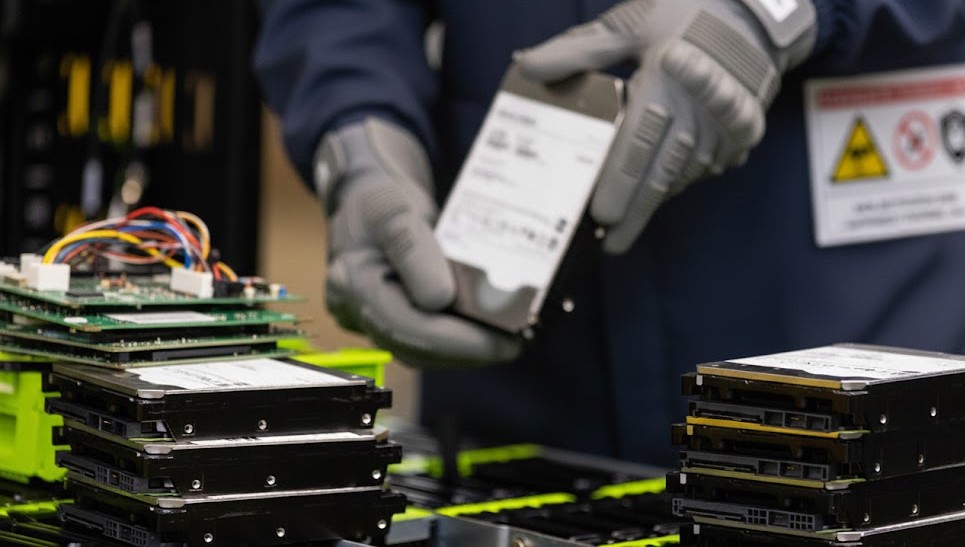
Data security is the most critical phase when selling used servers. Before resale, all storage media must be sanitized using approved methods.
Standards like NIST 800-88 provide clear guidance on compliant data sanitization.
Regulatory and Compliance Considerations
Organizations must align server resale with regulations such as:
Failure to properly sanitize data can lead to severe penalties and reputational damage.
Step 3: Server Decommissioning and Chain of Custody
Secure Handling and Logistics
Once data is removed, servers must be formally decommissioned with secure handling:
Maintaining a Verifiable Chain of Custody
A documented chain of custody ensures that:
This protects organizations from disputes, losses, and compliance gaps.
Step 4: Maximizing Value Through Server Resale
Factors That Impact Used Server Resale Value
Key value drivers include:
Refurbishment, Testing, and Certification
Testing and refurbishment increase buyer confidence by:
Choosing the Right Server Buyback or Resale Channel
Organizations can sell servers through:
Certified channels reduce risk and ensure compliance alignment throughout the process.
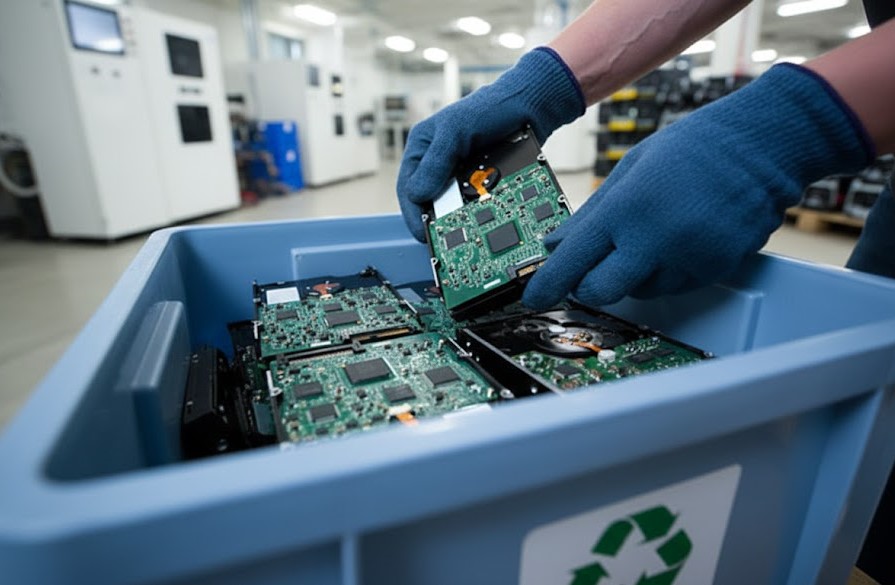
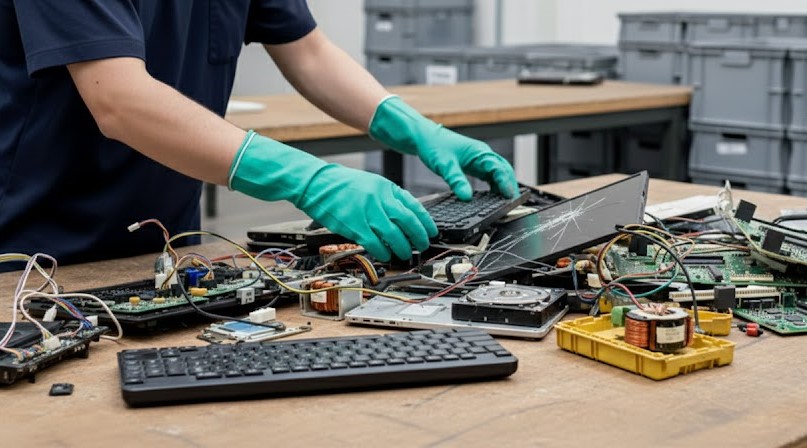
Step 5: Responsible Server Recycling for Non-Resellable Assets
Certified E-Waste Recycling Standards
Certified recycling ensures environmental and regulatory compliance for end-of-life assets.
Environmental and ESG Benefits
Sustainability is now a core business requirement, not an afterthought in IT asset management.
Not All Servers Should Be Resold
Common Mistakes When Selling Used Servers
Critical Errors to Avoid
Even experienced organizations make costly mistakes during server resale:
These mistakes can lead to data breaches, compliance violations, financial losses, and reputational damage.
Who Should Use the ITAMG Process for Server Resale?
Enterprises and Multinational Organizations
Large organizations with substantial server fleets and complex compliance requirements benefit from structured ITAMG processes.
Data Centers and Cloud Providers
Providers managing frequent hardware refresh cycles need efficient, secure processes for retiring and reselling server infrastructure.
Financial and Healthcare Institutions
Highly regulated industries with strict data protection requirements require certified, auditable server disposition processes.
Growing SMBs with Compliance Obligations
Small to medium businesses handling sensitive data should adopt structured approaches to protect against risks.
Any organization managing sensitive data or valuable IT assets should adopt a structured ITAMG approach for server resale and recycling.
When to Sell vs Recycle Servers
Indicators That a Server Should Be Resold
Reselling maximizes value recovery and supports circular economy principles.
Indicators That a Server Should Be Recycled
Strategic decision-making maximizes financial and environmental outcomes.
Final Thoughts: Balancing Value Recovery and Security
Selling used servers and managing server recycling is no longer a simple disposal task it is a strategic IT governance function.
By following a structured ITAMG process, organizations can recover maximum residual value, protect sensitive data, maintain regulatory compliance, and support sustainability initiatives.
The result is a balanced approach that delivers financial returns without compromising security or trust. As technology evolves and data protection requirements increase, implementing a robust server resale and recycling process becomes essential for modern IT operations.