The Importance of IT Asset Disposition (ITAD) Sustainability
Learn why IT Asset Disposition (ITAD) sustainability is critical for reducing e-waste, ensuring data security, meeting ESG goals, and staying compliant.
The Importance of IT Asset Disposition (ITAD) Sustainability
As organizations accelerate digital transformation, the volume of retired IT equipment continues to grow. How businesses manage end-of-life technology now plays a crucial role in environmental responsibility, data security, and regulatory compliance. This is where IT Asset Disposition (ITAD) sustainability becomes essential.
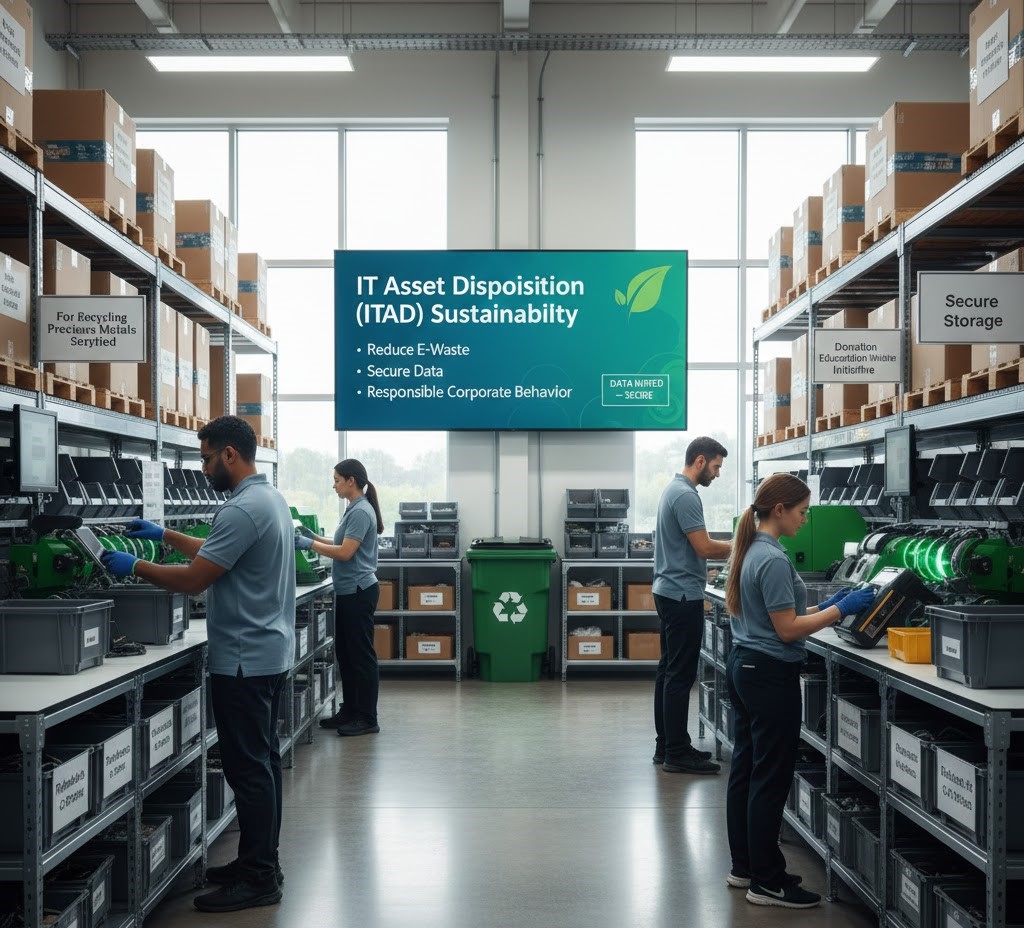
Sustainable ITAD is no longer optional. It helps organizations reduce e-waste, protect sensitive data, meet ESG commitments, and demonstrate responsible corporate behavior. A well-planned ITAD strategy supports both business objectives and environmental stewardship.
What Is IT Asset Disposition (ITAD)?
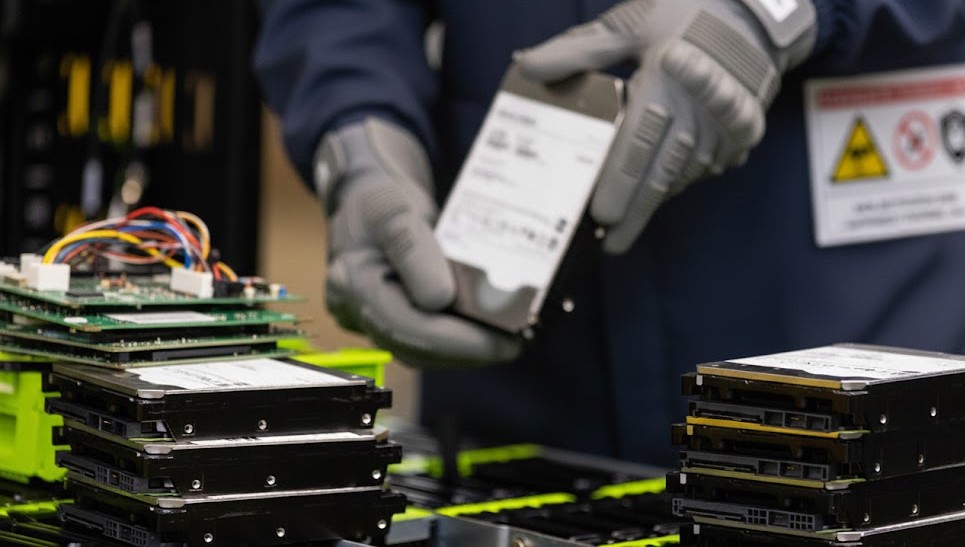
IT Asset Disposition (ITAD) refers to the structured process of safely and responsibly managing IT equipment at the end of its useful life. This includes servers, laptops, desktops, networking devices, and storage media.
A proper ITAD program ensures that retired assets are handled securely, ethically, and in compliance with legal and environmental standards.
Core Components of ITAD
A comprehensive ITAD process typically includes:
What Does Sustainability Mean in ITAD?
Sustainability in ITAD focuses on minimizing environmental impact while maximizing resource efficiency and ethical responsibility. It aligns closely with Environmental, Social, and Governance (ESG) principles.
A sustainable ITAD strategy considers:
Environmental Protection
Minimizing e-waste and promoting responsible recycling
Social Responsibility
Ethical recycling practices and safe working conditions
Governance & Compliance
Transparent reporting and regulatory adherence
Environmental Sustainability in ITAD
Reducing E-Waste and Environmental Impact
Electronic waste is one of the fastest-growing waste streams globally. Sustainable ITAD helps by:
Social and Ethical Responsibility in ITAD
Responsible ITAD providers ensure:
This social responsibility strengthens trust and protects brand reputation.
Why ITAD Sustainability Is Critical for Modern Businesses
Modern organizations face increasing pressure from regulators, customers, and investors to operate responsibly.
Supporting Corporate ESG and CSR Goals
ITAD sustainability plays a key role in ESG performance metrics, Corporate Social Responsibility (CSR) programs, and sustainability reporting and audits.
Data Security and Sustainability Integration
Sustainable ITAD includes certified data destruction methods such as NIST-compliant data wiping, physical shredding, and verified chain-of-custody documentation.
Compliance Standards for Sustainable ITAD
Reputable ITAD providers follow recognized standards including R2 (Responsible Recycling), ISO 14001 (Environmental Management), and ISO 27001 (Information Security).
Risks of Ignoring ITAD Sustainability
Legal and Regulatory Consequences
Improper IT asset disposal may result in:
Brand Reputation and Customer Trust Risks
Environmental negligence or data mishandling can damage brand credibility, leading to:
These risks can have long-term financial and reputational consequences.
Best Practices for Sustainable IT Asset Disposition
Choosing a Certified Sustainable ITAD Partner
Look for ITAD providers that offer:
Asset Reuse, Refurbishment, and Remarketing
Before recycling, organizations should prioritize:
Documentation, Audits, and Sustainability Reporting
Proper documentation ensures:
The Role of Circular Economy in ITAD Sustainability
How ITAD Enables a Circular IT Lifecycle
A circular economy focuses on keeping resources in use for as long as possible. ITAD plays a central role by enabling:
This reduces environmental impact while delivering cost savings.
Future Trends in Sustainable ITAD
Increasing Regulations and ESG Reporting Requirements
Governments and regulators are enforcing stricter e-waste and data protection laws. Organizations must adapt ITAD strategies accordingly.
Technology Innovations in Sustainable ITAD
Emerging trends include:
Frequently Asked Questions About ITAD Sustainability
Conclusion: Building a Responsible and Sustainable ITAD Strategy
The importance of IT Asset Disposition (ITAD) sustainability continues to grow as organizations balance digital growth with environmental and regulatory responsibilities. A sustainable ITAD strategy reduces e-waste, safeguards sensitive data, supports ESG objectives, and strengthens corporate reputation.
By partnering with certified ITAD providers and embracing circular economy principles, businesses can turn IT asset disposal into a strategic advantage - one that benefits both the organization and the planet.