ITAD vs Electronic Recycling: Understanding the Difference and Why It Matters
Learn the key differences between IT Asset Disposition (ITAD) and electronic recycling, and why choosing the right approach is critical for data security, compliance, asset recovery, and sustainability.
Understanding ITAD vs Electronic Recycling
As organizations retire laptops, servers, networking equipment, and other IT hardware, the terms IT Asset Disposition (ITAD) and electronic recycling are often used interchangeably. While they are related, they are not the same and confusing the two can lead to security risks, compliance issues, and lost asset value.
Understanding the difference between ITAD and electronic recycling helps organizations make informed decisions about how retired IT assets should be handled.
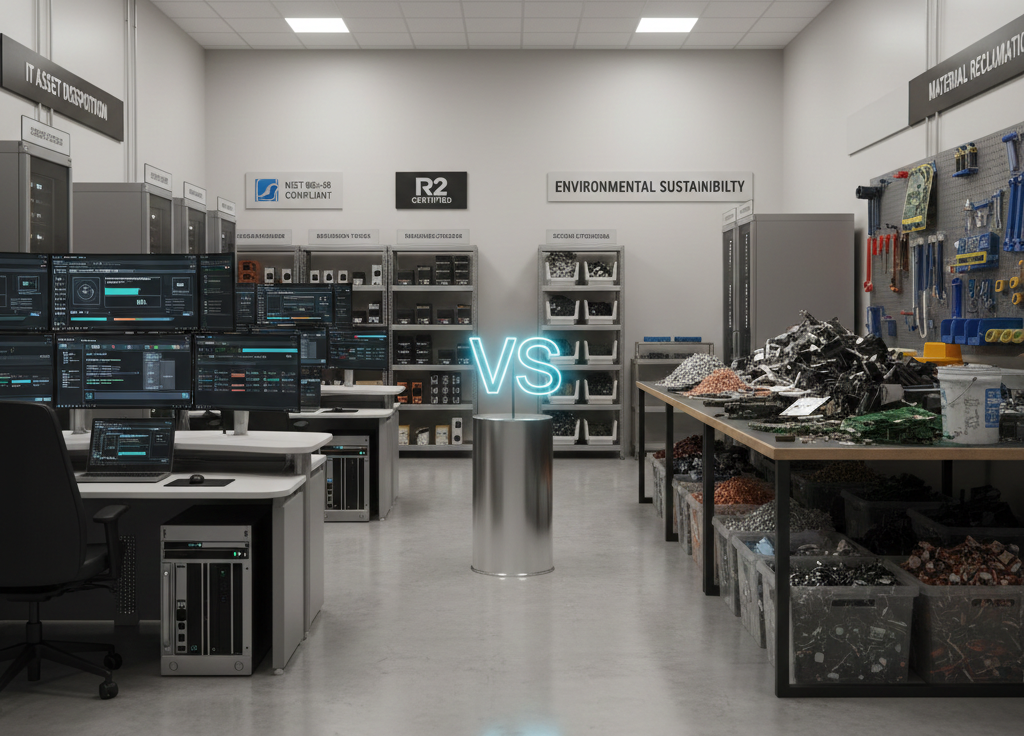
What Is IT Asset Disposition (ITAD)?
A comprehensive process for managing retired IT equipment
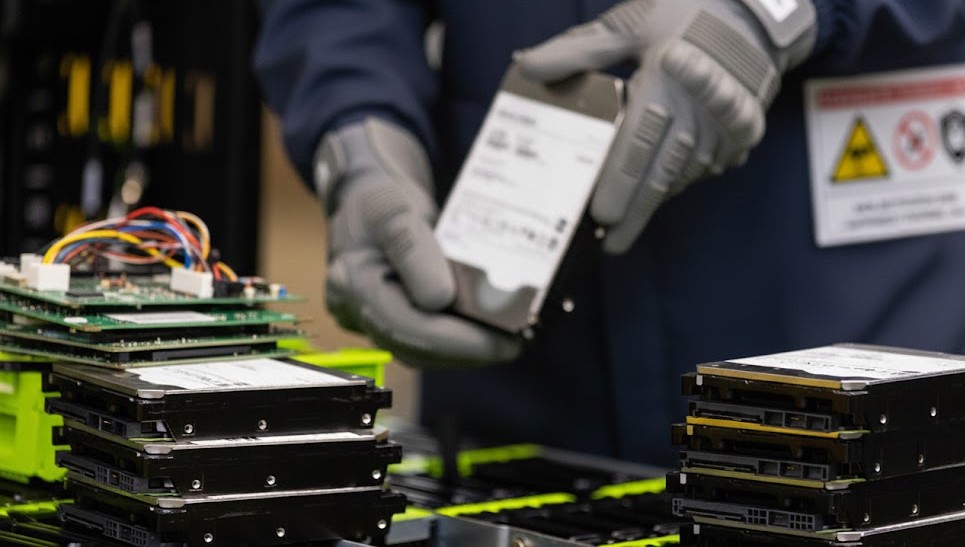
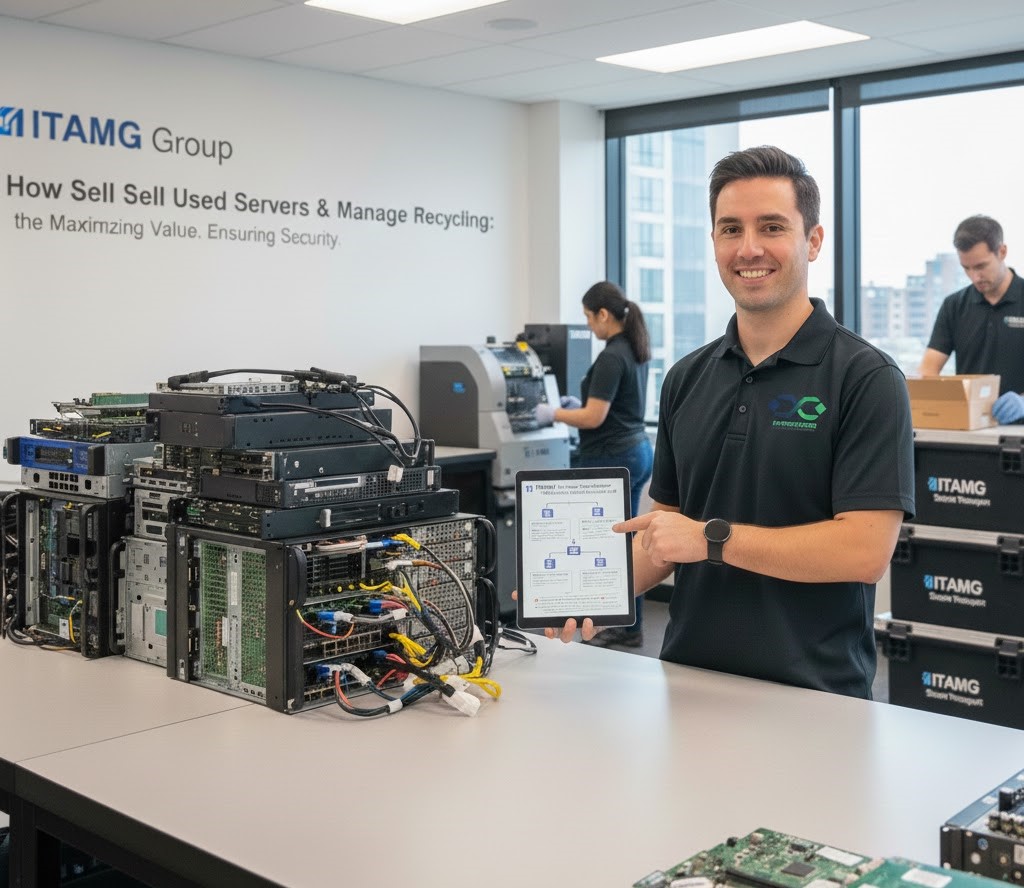
IT Asset Disposition (ITAD) is a comprehensive process that manages retired IT equipment from decommissioning through final disposition. ITAD focuses on security, compliance, asset recovery, and responsible end-of-life handling.
A Complete ITAD Program Typically Includes:
Secure data destruction or data sanitization
Asset tracking and chain of custody
Evaluation for reuse, refurbishment, or resale
Documentation and reporting for audits
Responsible recycling when assets reach end-of-life
ITAD is designed to reduce risk, maximize value recovery, and ensure regulatory compliance.
What Is Electronic Recycling?
Focusing on physical processing of electronic waste
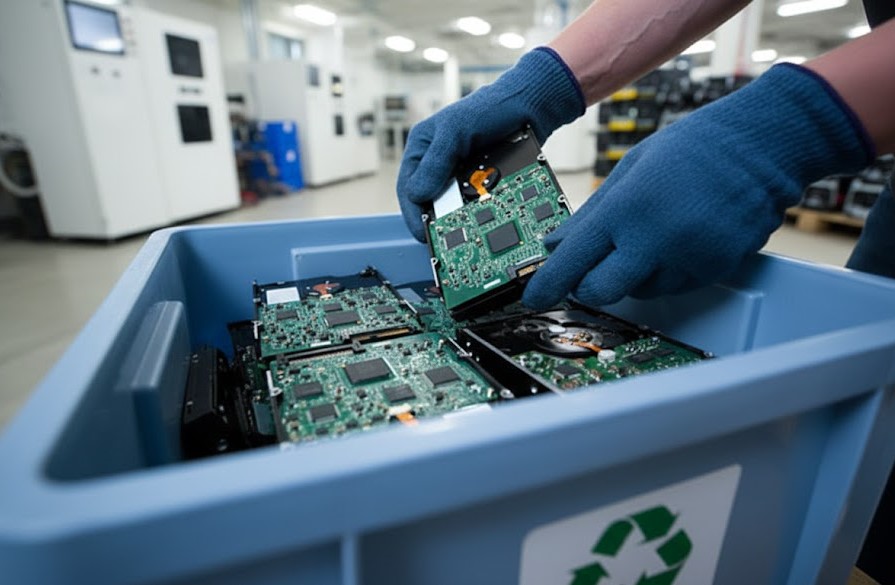
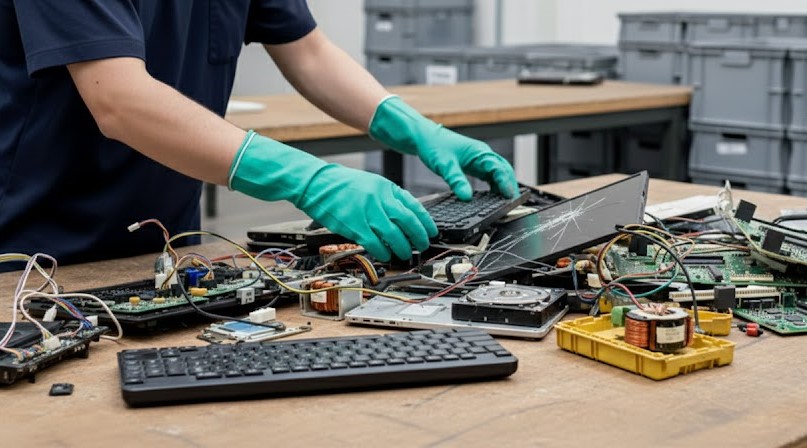
Electronic recycling focuses primarily on the physical processing of electronic waste. Devices are dismantled so materials such as metals, plastics, and components can be recovered and reused in manufacturing.
Electronic Recycling Generally Includes:
Important Note
While responsible recycling is an important part of sustainability, electronic recycling alone does not always address data security, documentation, or asset recovery.
Key Differences Between ITAD and Electronic Recycling
Although ITAD and electronic recycling overlap, their objectives are different
ITAD Focuses On:
- Data security and data destruction
- Compliance with regulations and industry standards
- Asset recovery and resale when possible
- End-to-end documentation and reporting
Electronic Recycling Focuses On:
- Material recovery
- Waste reduction
- Environmental processing of electronics
For organizations handling sensitive data, ITAD provides a broader and more secure framework.
Why ITAD Goes Beyond Recycling
The critical difference in security and value recovery
Sending devices directly to recycling without proper ITAD controls can create serious risks. Data-bearing assets may still contain sensitive information if data sanitization is not performed correctly or documented.
ITAD Ensures That:
Electronic recycling is often the final step within an ITAD process not a replacement for it.
Security and Compliance Considerations
Meeting regulatory requirements and industry standards
Regulatory requirements across industries often mandate how sensitive data must be handled when IT assets are retired. Healthcare, financial services, government, and enterprise organizations face strict compliance obligations.
ITAD Providers Typically Operate Under:
- R2 certification for responsible electronics reuse and recycling
- Data sanitization standards aligned with DOD and NIST guidelines
- Information security management frameworks like ISO 27001
Electronic Recyclers May Not Always Provide:
- Same level of security controls
- Industry certifications
- Comprehensive reporting
The Role of Asset Recovery in ITAD
Maximizing value from retired IT equipment
One major distinction between ITAD and electronic recycling is asset recovery. Many retired IT assets still retain market value if they are properly tested, sanitized, and refurbished.
ITAD Programs Evaluate Assets For:
Reuse within the organization
Refurbishment and resale
Responsible recycling only when recovery is no longer viable
This recovery-first approach can reduce costs and generate returns, rather than treating all retired equipment as scrap.
Environmental Impact: Recovery First, Recycling When Necessary
Sustainability through extended asset lifecycles
From a sustainability perspective, extending the life of IT equipment through reuse or resale is often more environmentally beneficial than immediate recycling.
Reducing electronic waste
Lowering demand for new manufacturing
Ensuring recycling is performed responsibly when required
Electronic recycling remains essential for true end-of-life assets, but it is most effective when integrated into a broader ITAD strategy.
Choosing the Right Approach for Your Organization
Key factors to consider
The choice between ITAD and electronic recycling is not necessarily one or the other. For most organizations, ITAD provides a structured approach that includes recycling as a final step rather than a default solution.
Organizations Should Consider:
Understanding these factors helps ensure retired IT assets are handled securely, responsibly, and efficiently.
Frequently Asked Questions
Common questions about ITAD and electronic recycling
Final Thoughts
IT Asset Disposition and electronic recycling serve different purposes, and understanding the distinction is critical for managing retired IT equipment properly.
While electronic recycling plays an important role in sustainability, ITAD provides the security, compliance, and recovery framework organizations need to protect data, maximize value, and reduce risk.
By choosing the right approach, organizations can turn IT asset disposition from a liability into a well-managed and responsible process.
Need help determining the best approach for your organization's retired IT assets? Contact our certified ITAD specialists for a consultation on secure and compliant asset disposition.