What Is RoHS Compliance? Toxic Metals in Electronics Explained
Learn what RoHS compliance means, which toxic metals are restricted in electronics manufacturing, and how RoHS protects health and the environment.
What Is RoHS Compliance? Understanding Toxic Metals in Electronics Manufacturing
Modern electronics power nearly every aspect of our daily lives from smartphones and laptops to medical devices and industrial machinery. However, behind this rapid technological growth lies a serious concern: the use of toxic metals and hazardous substances in electronics manufacturing. To address these risks, global regulators introduced RoHS compliance, a critical standard aimed at protecting human health and the environment.
This guide explains what RoHS compliance is, which toxic metals it restricts, and why it plays a vital role in sustainable electronics manufacturing.
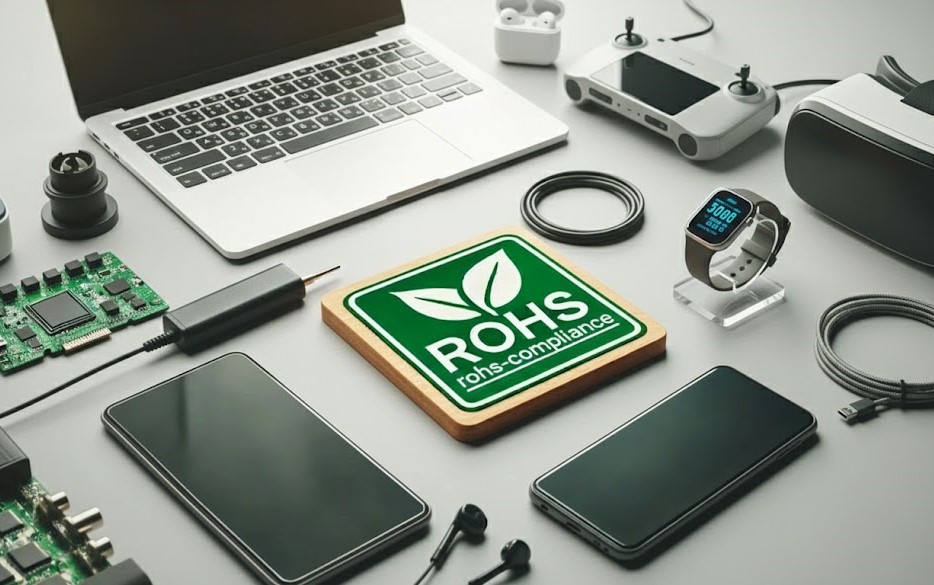
Introduction to RoHS Compliance
As electronic devices become more advanced and affordable, electronic waste (e-waste) has surged worldwide. Many electronic components historically contained heavy metals and hazardous chemicals that can leak into soil, water, and air when disposed of improperly.
RoHS compliance was introduced to limit these risks by restricting specific toxic substances used in electrical and electronic equipment. Today, it is a foundational regulation for manufacturers, suppliers, and brands operating in global electronics markets.
What Does RoHS Stand For?
RoHS stands for Restriction of Hazardous Substances.It is a regulatory directive that limits or bans the use of certain toxic metals and chemicals in electronics manufacturing.
The regulation primarily targets substances known to cause:
History and Evolution of the RoHS Directive
When Was RoHS Introduced?
The RoHS Directive was first adopted by the European Union in 2003 and came into effect in 2006. Its primary goal was to reduce hazardous substances in electronics sold within the EU.
Due to its effectiveness, RoHS became a global benchmark, influencing regulations in countries such as China, the UK, South Korea, and India.
Differences Between RoHS 1, RoHS 2, and RoHS 3
RoHS 1 (2006)
Introduced substance restrictions for major electronics categories
RoHS 2 (2011)
Expanded scope, added CE marking, improved enforcement
RoHS 3 (2015)
Included additional substances (phthalates) and medical/monitoring equipment
Each revision strengthened compliance requirements and widened product coverage.
Why RoHS Compliance Is Important in Electronics Manufacturing
Legal Requirements for Manufacturers
RoHS compliance is legally mandatory for selling electronics in regulated markets. Non-compliance can result in:
Manufacturers must maintain technical documentation, testing records, and declarations of conformity.
Business and Market Benefits of RoHS Compliance
Beyond legal obligations, RoHS compliance offers strategic advantages:
Consumers increasingly prefer eco-friendly and RoHS-compliant electronics, making RoHS a competitive necessity.
Toxic Metals Restricted Under RoHS
RoHS specifically restricts hazardous substances commonly used in electronics manufacturing.
Lead (Pb) and Its Health Risks
Lead was widely used in soldering and circuit boards. Exposure can cause brain and nervous system damage, developmental issues in children, and kidney and cardiovascular problems. RoHS promotes lead-free electronics, significantly reducing these risks.
Mercury (Hg) in Electronics
Mercury was used in switches, relays, and lighting components. It is highly toxic and can accumulate in water systems, damage the nervous system, and harm aquatic life and food chains.
Cadmium (Cd) and Long-Term Exposure Risks
Cadmium appears in batteries, pigments, and coatings. Long-term exposure can lead to kidney failure, bone weakening, and increased cancer risk.
Hexavalent Chromium (Cr VI) Explained
Hexavalent chromium was used for corrosion protection. It is known to be carcinogenic, harmful to the respiratory systems, and environmentally persistent.
PBBs and PBDEs (Flame Retardants)
These brominated flame retardants were used in plastics and circuit boards. They can disrupt hormone systems, accumulate in human tissue, and persist in the environment.
Health Impacts of Toxic Metals in Electronics
How Toxic Metals Affect Human Health
Exposure to restricted substances through manufacturing, usage, or disposal can cause:
Children and pregnant women are particularly vulnerable.
Risks for Factory Workers and Consumers
Factory workers face the highest exposure risk due to direct contact with raw materials. Consumers may also be exposed through:
RoHS compliance significantly reduces these health threats.
Environmental Impact of Hazardous Substances in Electronics
Soil and Water Contamination from E-Waste
When non-compliant electronics are dumped or burned, toxic metals can:
Impact on Wildlife and Ecosystems
Heavy metals bioaccumulate in plants and animals, disrupting ecosystems and food chains. RoHS helps limit long-term environmental damage by preventing toxic inputs at the manufacturing stage.
RoHS helps limit long-term environmental damage by preventing toxic inputs at the manufacturing stage.
How Manufacturers Achieve RoHS Compliance
Material Selection and Lead-Free Components
Manufacturers replace restricted substances with safer alternatives, such as:
RoHS Testing and Compliance Verification
Compliance is verified using methods like:
Documentation and Declaration of Conformity
Manufacturers must maintain:
These documents prove ongoing compliance.
RoHS Compliance vs Other Regulations
RoHS vs REACH Regulation
Both regulations complement each other in protecting health and the environment.
RoHS vs WEEE Directive
Together, they support a circular electronics economy.
Common Myths About RoHS Compliance
Is RoHS Mandatory Worldwide?
RoHS is not universal, but many countries have adopted RoHS-equivalent laws, making compliance essential for global trade.
Fact: While not universal, RoHS compliance is required in major markets including EU, UK, China, and many others.
Does RoHS Mean Completely Non-Toxic?
No. RoHS sets maximum allowable limits, not zero-toxicity. Some exemptions exist where alternatives are not yet feasible.
Fact: RoHS establishes safe maximum concentration values, not complete elimination.
Future of RoHS and Sustainable Electronics
Emerging Green Manufacturing Standards
Future electronics manufacturing will increasingly focus on:
RoHS will continue evolving alongside ESG and climate regulations.
Conclusion : Why RoHS Compliance Matters for Health and Environment
RoHS compliance is far more than a regulatory requirement it is a commitment to human health, environmental protection, and responsible manufacturing. By restricting toxic metals in electronics, RoHS helps reduce pollution, prevent health risks, and promote sustainable innovation.
As global demand for electronics continues to grow, RoHS-compliant manufacturing will remain essential for companies that aim to operate ethically, competitively, and sustainably in the modern world.