Certified E-Waste Disposal: Ensure Compliance & Data Security
Discover why R2v3 and e-Stewards certified e-waste vendors protect your business from data breaches, legal risks, and environmental harm.
Why Choosing a Certified E-Waste Disposal Vendor Is Critical for Compliance, Data Security, and Environmental Safety
In today's fast-paced digital world, electronics are a cornerstone of business operations. From laptops and desktops to servers, mobile devices, and industrial equipment, organizations constantly upgrade technology to stay competitive. However, these devices eventually become electronic waste (e-waste), which, if not disposed of properly, can result in environmental harm, data security breaches, and legal consequences.
Selecting a certified e-waste disposal vendor is therefore essential. Certifications like R2v3 and E-Stewards assure that recyclers adhere to rigorous environmental, security, and compliance standards, reducing risks and potentially fulfilling corporate due diligence requirements.
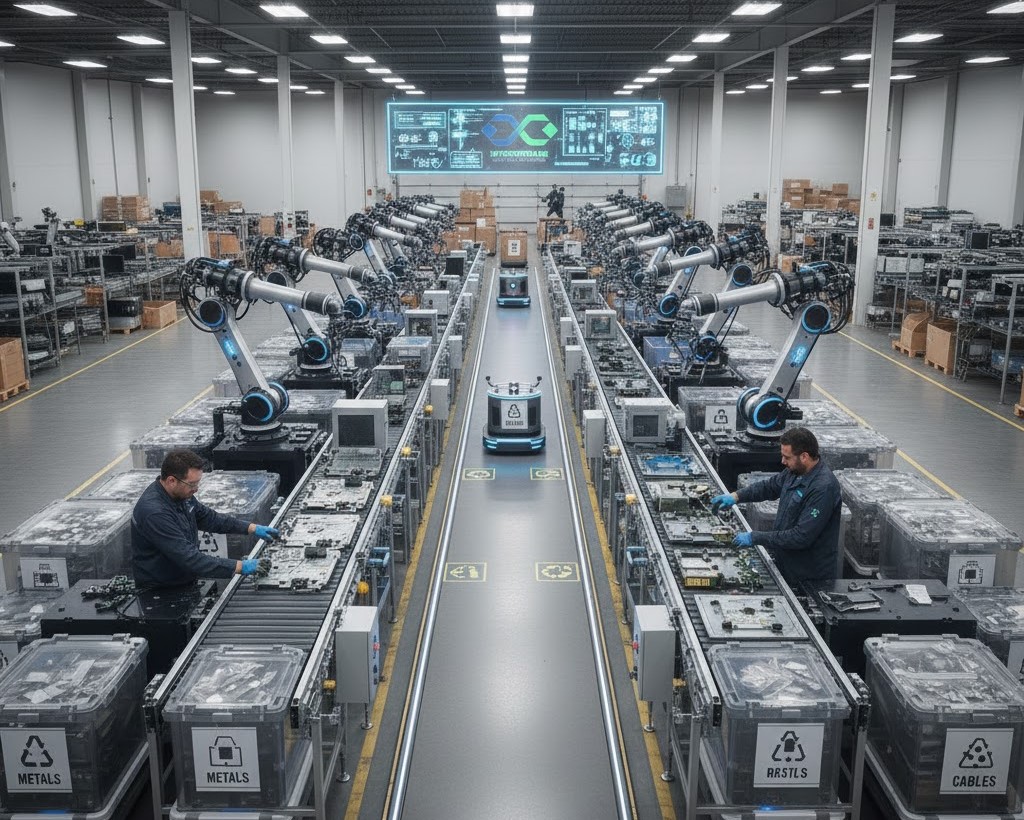
Understanding E-Waste and Its Growing Risks
What is E-Waste?
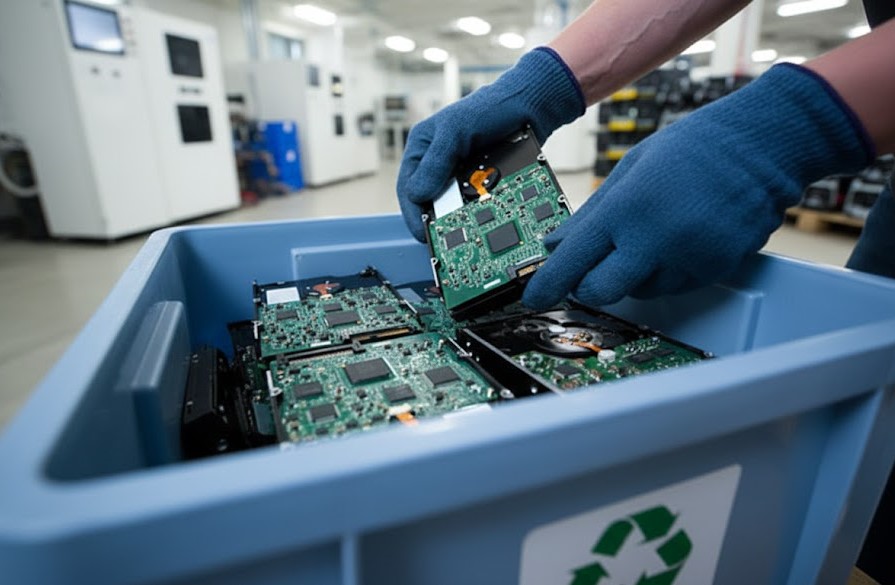
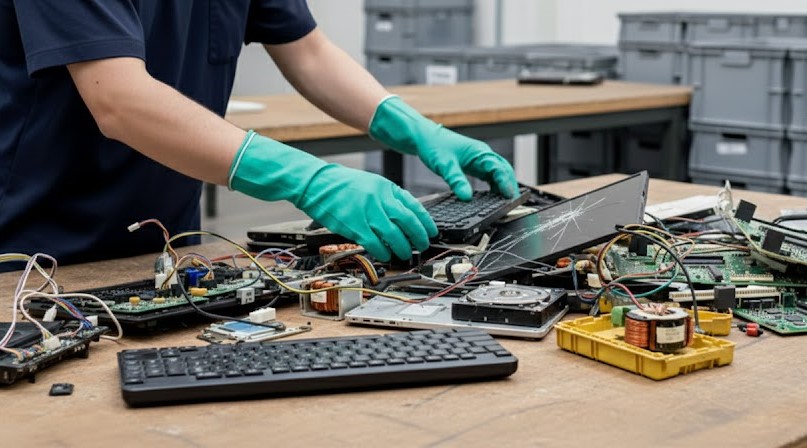
E-waste includes discarded electronic devices such as:
According to the 2023 Global E-Waste Monitor, the world generates over 57 million metric tons of e-waste annually, and this number is projected to rise to 70 million tons by 2030. Improper disposal not only threatens the environment but also exposes organizations to financial and legal risks.
Why E-Waste is Heavily Regulated
Electronics contain hazardous substances like lead, mercury, cadmium, and brominated flame retardants. These substances can contaminate soil and water if improperly handled. Regulatory frameworks, such as RoHS (Restriction of Hazardous Substances), WEEE (Waste Electrical and Electronic Equipment Directive), and local state laws, impose strict requirements on handling, transporting, and recycling e-waste.
Companies that ignore compliance risk fines, lawsuits, and reputational damage make it critical to partner with certified vendors.
What is a Certified E-Waste Disposal Vendor?
A certified e-waste disposal vendor is a third-party recycler approved by recognized certification bodies to handle electronics in a secure, responsible, and compliant manner. Certification assures that the vendor:
EPA-Recognized Certifications: R2v3 and E-Stewards
The Environmental Protection Agency (EPA) recognizes two main certifications for responsible electronics recycling:
1. R2v3 Certification (Responsible Recycling Version 3)
R2v3 certification ensures that vendors securely destroy data using industry-standard methods, maintain accountability for downstream vendors, and follow environmentally responsible recycling and disposal processes.
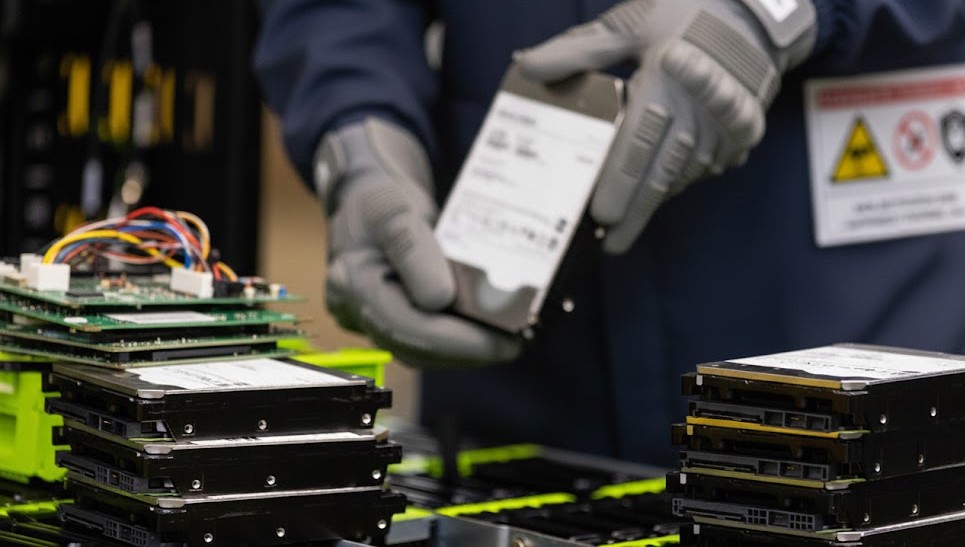
An R2v3-certified vendor will shred hard drives and provide a certificate of data destruction, ensuring no sensitive information is leaked.
2. E-Stewards Certification
E-Stewards certification emphasizes environmental and ethical practices, including zero landfill policies, no-export rules to prevent hazardous e-waste from being shipped to developing countries, and safe labor practices in recycling operations.
E-Stewards-certified vendors track every device in their system, ensuring complete environmental compliance and protecting communities from exposure to toxic materials.
Comparison of R2v3 and E-Stewards Certifications
| Feature | R2v3 | E-Stewards |
|---|---|---|
| Focus | Data security, recycling standards | Environmental justice, zero landfill, ethical practices |
| Landfill Policy | Limited restrictions | Strict zero-landfill |
| Downstream Control | Audited vendors | Audited and environmentally compliant |
| Best For | Organizations prioritizing data security and compliance | Organizations prioritizing environmental and ethical responsibility |
Both certifications are widely recognized and provide reassurance to stakeholders, auditors, and regulatory authorities.
Why Certification Supports Corporate Due Diligence
Choosing a certified e-waste vendor can fulfill parts of a company's due diligence obligations:
1. Regulatory Compliance
Certified vendors demonstrate adherence to federal, state, and international e-waste laws, including RoHS, WEEE, and EPA guidelines.
2. Audit Readiness
Documentation such as certificates of destruction and audit logs helps companies pass compliance audits and respond quickly to regulators.
3. ESG and Sustainability Goals
Certified e-waste recycling aligns with corporate ESG programs, showcasing a commitment to environmental and social responsibility.
Risks of Using an Uncertified E-Waste Vendor
Partnering with an uncertified vendor can expose your organization to several serious risks
Environmental Hazards
Uncertified vendors may landfill electronics or improperly process them, releasing toxic substances into the environment.
Data Security Risks
Devices may still contain sensitive data. Improper wiping or disposal can lead to data breaches, identity theft, and legal liability.
A company that disposed of old hard drives with sensitive customer data using an uncertified recycler suffered a major data breach, exposing customer records and resulting in significant fines.
Legal and Compliance Issues
Without proper certification, there is no assurance that the recycler follows federal, state, or international e-waste laws, which can lead to fines, audits, or lawsuits.
Reputational Damage
Using an unverified vendor can severely impact a company's brand image and stakeholder trust, especially if environmental or data mishandling is publicized.
How to Choose the Right Certified E-Waste Vendor
When selecting a vendor, companies should:
Tip:
Ask the vendor to provide references or case studies to confirm audit readiness and secure data destruction practices.
The Business Case for Certified E-Waste Vendors
Beyond compliance and risk reduction, certified vendors provide tangible business benefits:
Cost Savings
Proper recycling can recover precious metals and reduce disposal fees
Reputation Boost
ESG compliance enhances brand image and trust with clients and investors
Risk Mitigation
Prevents data breaches, fines, and environmental penalties
Operational Efficiency
Streamlined recycling processes reduce administrative burdens
Frequently Asked Questions
Conclusion: R2 Certification Is Essential for Responsible & Compliant Global E-Waste Recycling
In a world where data security, regulatory compliance, and environmental responsibility are paramount, working with a certified e-waste disposal vendor is no longer optional. Vendors with R2v3 or E-Stewards certification ensure that e-waste is handled securely, ethically, and sustainably, protecting your organization from legal, financial, and reputational risks.
By choosing a certified vendor, companies can demonstrate due diligence, support ESG goals, and maintain stakeholder trust, all while contributing to a safer, greener planet.