Why R2-Certified Recyclers Matter for Safe E-Waste Export
Protect your business and the environment: Learn why choosing R2-certified recyclers is essential, especially for exports outside Basel Agreement countries.
Why Choosing an R2-Certified Recycler Matters?
In today's world, managing electronic waste (e-waste) responsibly is more critical than ever. Improper disposal can lead to severe environmental damage, data breaches, and legal liabilities. For businesses that generate e-waste, choosing an R2-certified recycler ensures that their electronic equipment is handled safely, ethically, and in compliance with international regulations.
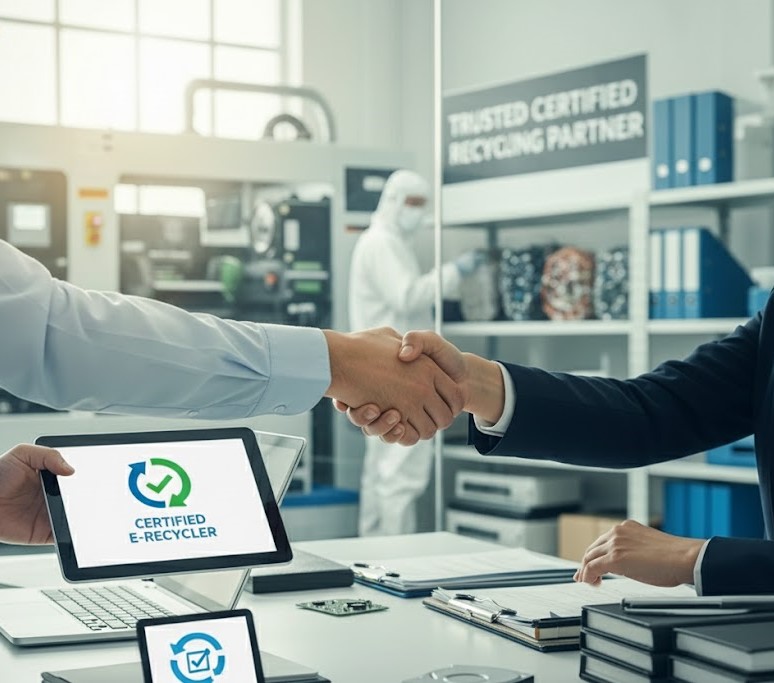
What Is R2 Certification?
A globally and EPA recognized standard for responsible electronics recycling
R2 Certification is a globally and EPA recognized standard for responsible recycling of electronics. Managed by Sustainable Electronics Recycling International (SERI), it ensures recyclers follow strict guidelines for:
By partnering with an R2-certified recycler, businesses can reduce risk, protect their reputation, and ensure compliance with international standards.
Key Requirements of R2 Certification
Rigorous standards that ensure complete traceability and compliance
R2 is not a simple checklist – it is a rigorous, globally recognized standard that only a small percentage of recyclers are able to achieve and maintain. R2-certified recyclers must build and prove out full systems for environmental protection, data security, and traceability across every step of the process.
Environmental, Health & Safety (EHS) Controls
Robust written procedures, employee training, PPE, and monitoring programs are required to protect workers and the environment. R2 facilities are audited against strict EHS criteria on an ongoing basis, not just once.
Verified Data Destruction (NIST 800-88)
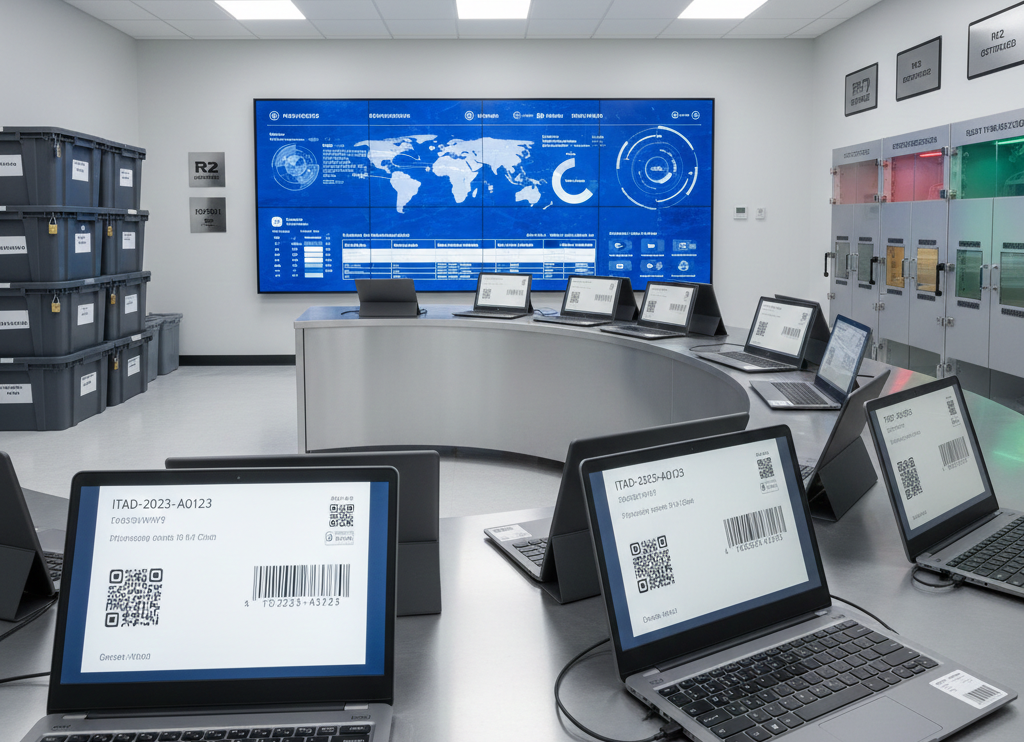
R2 demands documented, auditable processes for media sanitization and destruction, aligned with NIST 800-88. This includes serial-level tracking, proof of wiping or physical destruction, and secure handling of data-bearing devices from pickup through final disposition.
Reuse First, Then Responsible Recovery
R2 prioritizes extending the life of electronics through proper testing, refurbishment, and resale before any material is sent to recycling. Where reuse is not possible, materials must be processed through qualified recyclers to maximize recovery and minimize landfill.
Downstream Due Diligence & Full Traceability
Every downstream partner (shredders, smelters, refurbishers, brokers, etc.) must be vetted, approved, and reviewed regularly. R2 requires documented downstream due diligence to prevent illegal export, unsafe processing, or dumping, with records maintained for all inbound and outbound shipments.
Extensive Recordkeeping & Independent Audits
R2 certification requires detailed records for all incoming equipment and outgoing materials: weights, device classifications, serial numbers, processing methods, destinations, and vendor approvals. These records are reviewed by independent third-party auditors to verify compliance year after year.
What This Means for Your Business
In short, R2 certification is hard to obtain and even harder to keep, which is exactly why it is a strong indicator that you are working with a safer, more reliable recycling partner.
The Risk of Using Non-Certified Recyclers Who Export E-Waste
Hidden dangers that could cost your business significantly
Environmental Risks
Unregulated recyclers may burn electronics or dump hazardous materials, causing air, water, and soil pollution.
Legal & Compliance Risks
Exporting waste to non-Basel countries through non-certified recyclers can violate international laws, resulting in fines and reputational damage.
Data Security Risks
Sensitive information may be stolen or mishandled if data destruction protocols are not followed.
Brand Reputation Damage
Consumers and investors are increasingly aware of ESG (Environmental, Social, Governance) practices. Mismanaged e-waste can harm your company's image.
Working with uncertified recyclers may seem cost-effective, but it comes with serious risks that can significantly outweigh any short-term savings.
Checklist: How to Verify an R2-Certified Recycler
Essential steps to ensure you're working with a legitimate certified partner
Due Diligence Steps for Businesses
Confirm R2 Certification Status
Verify the recycler's certification number and expiration via the SERI directory.
Verify Certification →Request Downstream Vendor Disclosure
Ensure all downstream partners are compliant and properly vetted.
Ask About Data Destruction Standards
Confirm adherence to NIST 800-88 and other recognized protocols.
Recommended Best Practices for Businesses Handling E-Waste
Proactive measures to ensure complete security and compliance
Only Work With R2-Certified Recyclers
This is non-negotiable for businesses handling sensitive data or operating in regulated industries.
Establish a "Trust but Verify" Reconciliation Protocol
Never rely solely on your ITAD partner's audit. For high-risk data-bearing assets (laptops, servers, desktops):
- Create an internal "Shadow Log" of serial numbers prior to pickup
- Mandatory reconciliation between your internal list and the vendor's final Certificate of Destruction/Audit Report
Avoid "Lowest Cost" Recyclers
Recyclers that compromise on safety and legality may initially seem cheaper but often result in significant costs through fines, data breaches, or reputational damage.
Following these best practices protects your business, employees, the environment, and your brand reputation.
Frequently Asked Questions
Common questions about R2 certification and e-waste management
Conclusion : R2 Certification Is Essential for Responsible & Compliant Global E-Waste Recycling
Choosing an R2-certified recycler is no longer optional it’s essential for businesses handling e-waste, especially when exporting outside Basel Agreement countries. It ensures environmental safety, legal compliance, data security, and ethical recycling practices, protecting your company and the planet.