Integritrade evaluates incoming products through a structured workflow designed to separate value recovery from end-of-life material.
1. Receive and Identify. Products are received, counted, photographed or serialized as required, and linked to the applicable client, project, lot, or return stream. Client-specific requirements can be assigned before processing begins.
2. Sort by Product and Condition. Items are separated by product category, model, completeness, visible condition, and expected processing pathway. Working products, repair candidates, incomplete items, damaged products, and end-of-life material should not be treated as one undifferentiated lot.
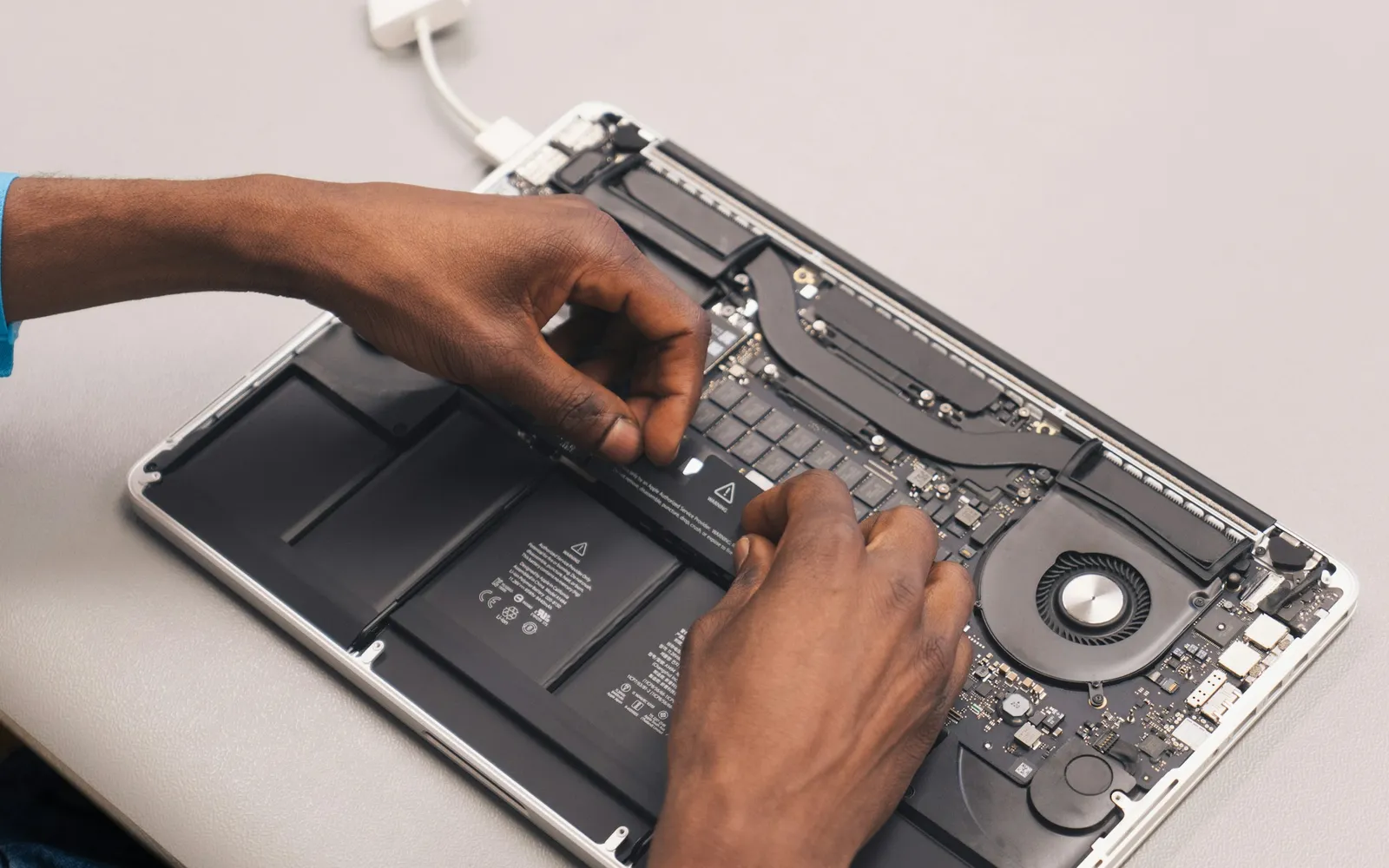
3. Test and Grade. Qualified products are tested for power, display, ports, battery condition, connectivity, storage, operating functions, and other applicable criteria. Products can be graded using the client's requirements and Integritrade's documented testing process.
4. Sanitize Data When Required. Returned laptops, desktops, phones, tablets, servers, storage devices, and other technology may contain customer, employee, business, or account information. Data-bearing devices are handled according to the approved client requirement and the applicable media type. Logical sanitization and physical destruction pathways are available when required.
5. Select the Recovery Pathway. Products may be routed to direct buyback, revenue sharing, remarketing, refurbishment, repair, parts harvesting, physical destruction, or responsible recycling. The selected pathway is based on condition, market demand, labor input, recovery value, data requirements, and client instructions.
6. Report the Outcome. TraceTech connects the client's product or asset records to processing status, service requests, certificates, testing results, recovery outcomes, and final disposition records. Reporting can be structured by individual asset, batch, product category, or project.