How to Maximize Your IT Asset Recovery Value
Retired IT equipment carries more financial, operational, and environmental value than most organizations realize. With the right strategy, obsolete hardware turns into measurable returns rather than a recurring disposal cost.
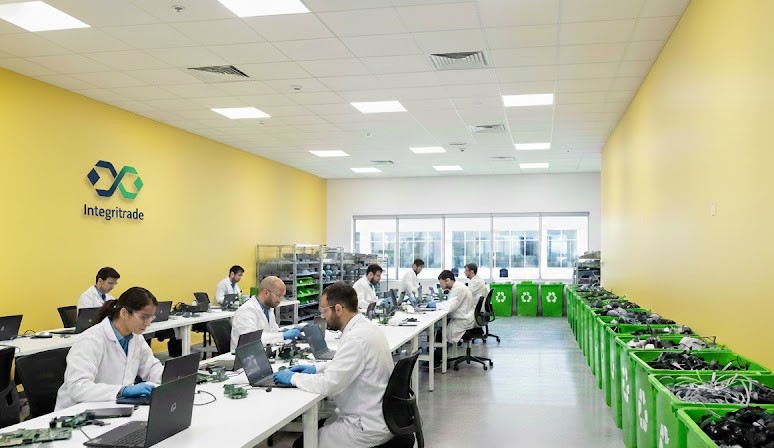
Businesses refresh technology faster than ever, and outdated IT equipment piles up in the process unused, unsecured, and undervalued. What most organizations miss is that retired assets still hold significant financial, operational, and environmental value if they're processed correctly before that value erodes.
This guide explains how to maximize IT asset recovery value, reduce risk, and align the disposition process with broader business and sustainability goals.
Why IT Asset Recovery Matters
IT asset recovery is no longer just about clearing out old hardware. It plays a real role in cost optimization, data security, and ESG compliance. Poor recovery practices lead to lost revenue, compliance violations, and unnecessary e-waste outcomes that compound across every refresh cycle.
A structured recovery strategy lets organizations recover residual value from retired equipment, reduce the storage and logistics costs of equipment sitting in closets, ensure secure data destruction with documented evidence, and support sustainability commitments through verified reuse and recycling. Companies that neglect proper asset recovery typically lose 15 to 40 percent of their original IT investment, while also facing increased security risks from informally stored devices.
IT Asset Recovery vs IT Asset Disposal
The two approaches share the same starting point retired equipment but produce very different outcomes for the business.
What IT Asset Recovery Actually Covers
IT asset recovery is the process of reclaiming value from decommissioned or surplus IT equipment through resale, refurbishment, reuse, or responsible recycling. It's a core component of IT Asset Disposition (ITAD), focused on extracting maximum financial and operational benefit before final disposal becomes the answer.
Different categories of equipment depreciate at different rates, and each holds value in different ways. End-user devices like laptops, desktops, and mobile devices retain strong resale value especially premium brands and recent generations and proper refurbishment with secure data wiping significantly increases their market price. Servers and networking equipment hold high residual value in secondary markets, particularly when decommissioned early in their lifecycle. Storage and peripheral equipment such as SSDs, HDDs, monitors, and accessories are frequently overlooked but can contribute meaningful recovery value when processed at scale.
Key Factors That Impact Recovery Value
Four variables drive most of the difference between strong and weak recovery outcomes. Understanding them upfront shapes how the program should be structured.
Asset age, brand, and specifications
Newer assets with stronger specifications and reputable brands depreciate more slowly and attract stronger resale demand. The further past the cutline a device sits, the less recovery becomes economically viable.
Physical condition and functionality
Devices that are fully functional and cosmetically intact command higher resale prices. Even minor refurbishment cleaning, cosmetic repair, software reset can significantly improve realized value.
Data security and certification
Certified data wiping and documented destruction increase buyer trust and resale potential while reducing compliance risk. The certificate isn't just paperwork; it's part of the asset's realizable value.
Market demand and timing
Market conditions, supply shortages, and seasonal demand all affect resale prices meaningfully. Strategic timing on disposition projects can significantly increase recovered value compared to ad-hoc batches.
Best Practices to Maximize Recovery Value
Four practical disciplines, executed consistently, separate strong recovery programs from informal disposal.
1. Maintain a detailed asset inventory
Track every IT asset with current specifications and condition. Accurate, up-to-date inventory prevents value leakage and supports realistic valuation when projects begin.
2. Choose certified ITAD partners
Work with vendors holding R2v3 or equivalent certifications. Certified partners deliver compliance, transparency, and stronger recovery yields. Integritrade holds R2v3 and ISO 9001, 14001, 45001, and 27001 certifications, ensuring every project runs through audited, documented workflows.
3. Implement secure data erasure before resale
Certified data sanitization aligned with NIST 800-88, with serialized audit trails and documentation, is essential. Devices with verified data destruction certificates are more valuable in secondary markets and significantly safer to resell.
4. Refurbish and remarket strategically
Cleaning, component replacement, OS reinstallation, and grading dramatically increase resale value and broaden buyer interest. Investments in light refurbishment routinely produce multi-fold returns on the work involved.
Mistakes That Reduce Recovery Value
Three recurring mistakes account for most of the value organizations leave on the table.
Delayed asset processing
Storing unused equipment for months accelerates depreciation while increasing security risk. Faster processing leads to higher returns; equipment held too long can lose up to 40 percent of its potential recovery value.
Poor vendor selection
Uncertified or low-cost vendors offer convenience that often comes with lost value, compliance gaps, and limited reporting. Hidden costs typically exceed any apparent savings on the front end.
Lack of compliance and documentation
Missing audit trails, certificates, and reports reduce asset credibility and resale pricing while creating regulatory exposure that often shows up much later in the form of audit findings.
Environmental and Sustainability Benefits
Strong asset recovery programs deliver verifiable environmental outcomes alongside the financial returns. Recovering and reusing IT equipment reduces landfill waste and lowers the environmental impact of manufacturing new devices, while supporting corporate ESG initiatives that increasingly appear in investor and customer evaluations.
ESG reporting benefits from documented recovery rates, verified refurbishment outcomes, and certified recycling for true end-of-life materials all of which an audited ITAD provider can produce as standard project deliverables.
Measuring Recovery ROI
A meaningful recovery program produces metrics that hold up to finance and audit review across both financial returns and risk reduction.
Financial metrics
Track asset recovery rate as a percentage of original investment, resale margin per device, logistics and processing costs, total recovery revenue per project, and cost avoidance from reuse versus recycling. Together these metrics produce a clear picture of program value over time.
Compliance and risk metrics
Monitor data breach prevention through verified destruction, audit readiness scores, documented compliance rates per project, regulatory violation avoidance, and chain-of-custody documentation completeness. These metrics demonstrate that the program isn't just generating returns it's closing exposure at the same time.
When to Use Professional Services
Several signals indicate that internal handling has reached its limit and professional ITAD services will produce meaningfully better outcomes: large-scale hardware refresh projects that exceed internal capacity, strict compliance requirements under HIPAA, GDPR, GLBA, or similar frameworks, limited internal ITAD expertise, high-data-security devices that require certified destruction, complex multi-location asset recovery, and the need for detailed reporting and audit trails that internal processes can't consistently produce.
When evaluating providers, look for transparent reporting and documentation, certified data destruction processes, a strong resale network with proven secondary-market access, end-to-end lifecycle management capability, environmental compliance certifications including R2v3 and ISO 14001, and verified insurance and liability coverage. The certifications and operational evidence together separate qualified partners from the rest.
Frequently Asked Questions
Recovery value depends on asset age, condition, brand, and current market demand. Many organizations recover between 10 and 40 percent of original asset cost, with newer and higher-spec equipment producing the strongest returns.
Yes when handled by certified providers using verified data wiping aligned with NIST 800-88, documented chain-of-custody procedures, and per-device certificates of erasure or destruction.
Non-recoverable assets are responsibly recycled following environmental and regulatory standards, typically under R2v3-certified processes that recover materials and divert them from landfill.
Most projects complete in seven to fourteen days from pickup to payment, depending on volume, asset complexity, and the program model (revenue sharing or accelerated buy-back).
Yes. Professional providers offer real-time tracking and serialized reporting, giving you complete visibility from the moment equipment leaves your facility through final disposition.
Final Thoughts
Maximizing IT asset recovery value requires more than simple disposal. A structured recovery strategy, combined with certified partners and disciplined attention to data security and refurbishment, transforms retired IT assets into financial returns while supporting sustainability and compliance goals at the same time.
Done well, IT asset recovery stops being a cost center and becomes a strategic advantage one that delivers measurable returns, reduces risk, and supports corporate sustainability objectives across every refresh cycle.