Landfill vs Certified Recycling: Which Is Better for the Environment?
An old laptop in a landfill is a slow-release toxic event. The same device through certified recycling becomes recovered raw materials. The difference between the two outcomes is measured in decades of contamination.
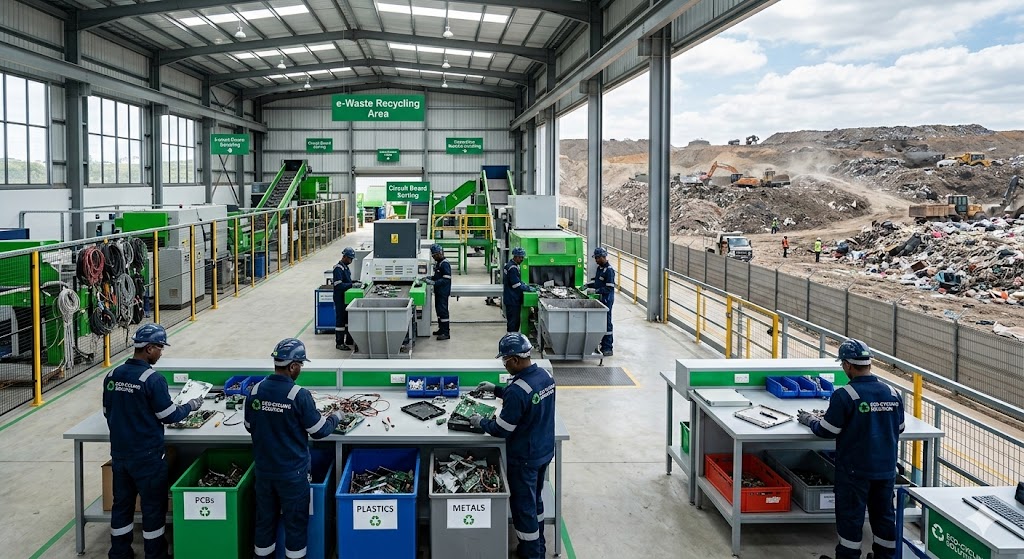
When an old laptop or hard drive gets thrown out, it doesn't just disappear. The path it takes from there determines whether it slowly poisons the soil and groundwater for decades, or whether the materials inside it are recovered and put back into productive use.
The decisions organizations make today about retired electronics shape the environment ahead and there's a meaningful gap between the worst path and the right one.
Why Electronics Don't Belong in Landfills
Electronics in general landfills cause damage that's slow, severe, and difficult to reverse. The harm comes from three connected pathways, each affecting a different part of the environment.
Toxic heavy metals leaching into soil
Electronics contain lead, mercury, cadmium, and arsenic substances that bind to soil in landfills and contaminate the surrounding ground for decades. The damage doesn't stop at the landfill boundary.
Groundwater contamination
Toxic chemicals mix with rainwater and migrate downward into the groundwater table. From there they reach drinking water supplies and agricultural land, far from where the original waste was deposited.
Air pollution from burning
Landfill waste is often incinerated, which releases dioxins and furans into the air both linked to cancer and serious respiratory illness. The communities downwind from the burn sites carry the public health cost.
Landfill vs Certified Recycling: Side by Side
Comparing the two paths directly makes the operational and environmental gap impossible to ignore.
Certified Recycling: A Sustainable Alternative
R2v3 and equivalent certified recycling processes do the opposite of landfill disposal: they actively protect the environment while recovering meaningful value from retired electronics. The benefits compound across three dimensions.
Resource recovery from precious metals
Smartphones, laptops, and servers contain meaningful quantities of gold, silver, copper, and palladium. Certified recycling recovers these metals and feeds them back into manufacturing supply chains, reducing the demand for environmentally destructive raw mining.
Lower carbon footprint
Recovering metals from existing electronics requires far less energy than extracting new metals from mines. The reduction in energy use translates directly into lower greenhouse gas emissions and a smaller environmental footprint for organizations that choose certified recycling over disposal.
Zero landfill outcomes
Certified vendors operating zero-landfill policies ensure no part of any device ends up in a landfill. Each component is either refurbished for reuse or separated into raw materials for responsible processing through certified downstream partners.
Why Choose Integritrade LLC?
E-waste management isn't just a legal obligation it's a moral one. Integritrade adheres strictly to environmental standards and ensures every device handled goes through an environmentally responsible workflow from intake to final disposition.
R2v3-certified processes
Every device passes through R2v3 certified workflows, ensuring the highest environmental and data security standards apply across the full disposition process.
Full accountability and documentation
Every component is tracked from collection through final disposition, with complete documentation provided to the client at project close.
Nothing goes to landfill
Materials are refurbished, resold, or responsibly broken down by certified downstream partners. The zero-landfill commitment isn't marketing language; it's how the workflow is built.
E-Waste Recycling Services in San Francisco
Looking for responsible e-waste recycling in San Francisco? Integritrade LLC provides certified electronics recycling services that ensure safe disposal of IT equipment without harming the environment.
Our R2v3-certified process focuses on zero landfill, resource recovery, and secure handling of all devices helping your organization reduce environmental impact while staying compliant with industry regulations.
Frequently Asked Questions
Electronics contain toxic heavy metals such as lead, mercury, cadmium, and arsenic. In landfills these substances leach into soil and groundwater, contaminating drinking water and farmland. Burning landfill waste also releases dioxins and furans, both linked to cancer and respiratory illness.
Smartphones, laptops, and hard drives contain recoverable gold, silver, copper, and palladium. Certified recycling extracts and reuses these materials, reducing the demand for environmentally destructive mining operations.
Recovering metals from existing electronics requires significantly less energy than extracting new metals from mines. The reduction in energy use directly lowers greenhouse gas emissions, helping organizations measurably reduce their overall carbon footprint.
Every component of every device processed is either refurbished for reuse, resold, or broken down into raw materials by certified downstream partners. Nothing is sent to a general landfill at any point in the process.
Yes. Regulations including HIPAA, GDPR, and various California and federal environmental laws require organizations to dispose of electronic devices responsibly. Improper disposal can result in fines, legal liability, and reputational damage. Working with a certified ITAD vendor ensures full compliance.
Final Thoughts
The choice between landfilling and certified recycling isn't just an operational decision. It's an environmental and ethical one. Every device an organization retires is an opportunity either to harm the environment or to keep recoverable materials in productive use and the difference is decided at the point of disposition, not afterward.
Integritrade LLC has maintained a clean record with no history of data breach and operates a verified zero-landfill workflow. When data security and environmental responsibility both matter, they shouldn't be a trade-off and they don't have to be.